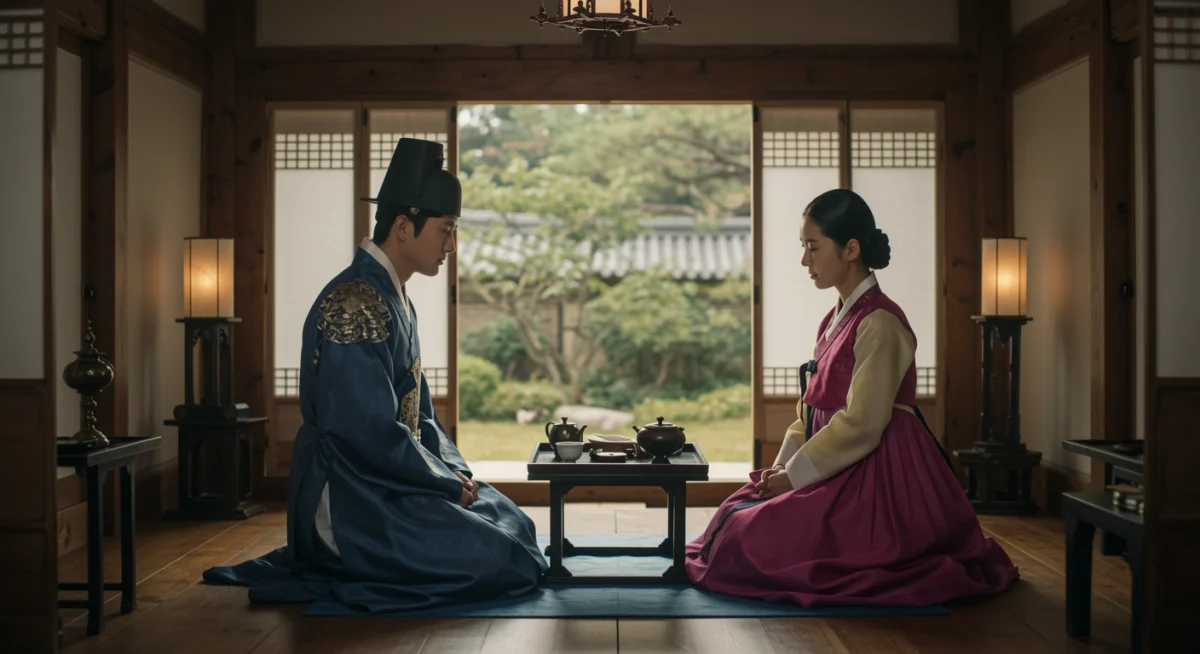
Decoding Cultural Nuances in Popular Dramas: Lost in Translation?
Understanding the intricate cultural nuances in popular dramas is crucial to fully appreciate their depth, transforming a simple viewing experience into a profound cross-cultural journey.
Por: Monica Rose em 9 de fevereiro de 2026
Understanding the intricate cultural nuances in popular dramas is crucial to fully appreciate their depth, transforming a simple viewing experience into a profound cross-cultural journey.
Have you ever found yourself watching a drama, captivated by the story, yet feeling like there’s a deeper layer you’re missing? This sensation often arises when we encounter cultural nuances in popular dramas, elements so intrinsically tied to their origin that they can sometimes be lost in translation for an international audience. These subtle yet powerful details shape characters, plot, and themes, offering a window into a different world if we know how to look.
The silent language of gestures and expressions
Beyond spoken dialogue, gestures and facial expressions convey a wealth of information in any culture, and dramas leverage these unspoken cues to great effect. What might seem like a simple nod or a fleeting glance can carry profound meaning within a specific cultural context, often influencing character relationships and narrative progression in ways a viewer unfamiliar with these nuances might overlook.
For example, bowing in East Asian dramas is far more complex than a simple greeting. The depth of the bow, the duration, and the accompanying words all signify different levels of respect, apology, or gratitude. Missing these distinctions can lead to a misunderstanding of a character’s intentions or social standing within the story.
Understanding non-verbal communication
Non-verbal communication is a cornerstone of human interaction, and its portrayal in dramas is a rich tapestry of cultural specificities. It’s not just about what is said, but how it’s said, and what isn’t said at all.
Eye contact: In some cultures, direct eye contact can signify sincerity or challenge, while in others, it might be seen as disrespectful, especially towards elders or superiors.
Personal space: The acceptable distance between individuals during conversation varies widely, impacting scenes of intimacy, tension, or formality.
Touch: The appropriateness of physical touch between friends, colleagues, or romantic partners differs significantly, reflecting societal norms around public displays of affection or personal boundaries.
These subtle non-verbal cues are not merely decorative; they are integral to character development and plot. A character’s discomfort with direct eye contact might indicate shyness or respect, rather than evasion. An unexpected touch could be a sign of deep affection or a significant breach of etiquette, depending on the cultural backdrop.
Ultimately, appreciating the silent language of gestures and expressions allows for a much richer and more accurate interpretation of the drama. It helps viewers move beyond surface-level understanding to grasp the true emotional and social dynamics at play, offering a deeper connection to the characters and their world. This intricate dance of non-verbal communication is a testament to the depth that cultural context brings to storytelling.
Social hierarchy and respect: more than just titles
Many dramas, particularly those from Asian cultures, are deeply rooted in intricate systems of social hierarchy and respect. This isn’t merely about using honorifics; it permeates every interaction, from how characters speak to each other to their body language and even their seating arrangements. Understanding these layers of respect is fundamental to grasping character motivations and conflict.
The concept of ‘face’ in East Asian cultures, for instance, is a powerful social currency. Losing face or saving face can dictate significant plot points and character decisions. A character might endure personal hardship to save the face of their family or employer, a concept that might seem perplexing to Western viewers accustomed to more individualistic narratives. This emphasis on collective harmony over individual desire is a key cultural nuance.
Navigating honorifics and age-based respect
Honorifics are a clear indicator of social standing and respect, but their application goes beyond simple translation. They reflect complex social structures and relationships.
Korean honorifics: Terms like ‘oppa,’ ‘unnie,’ ‘hyung,’ and ‘noona’ are not just for siblings; they denote close relationships and age differences, influencing how characters interact and the power dynamics between them.
Japanese honorifics: ‘San,’ ‘sama,’ ‘kun,’ and ‘chan’ each carry specific implications regarding formality, seniority, and intimacy, shaping dialogue and character perception.
Chinese address terms: While less formal honorifics are used in daily speech, family titles like ‘gege’ (older brother) or ‘jiejie’ (older sister) are often extended to close friends, signifying a bond akin to family.
Beyond honorifics, age plays a critical role in establishing social order. Elders are often afforded automatic deference, and younger individuals are expected to show respect through their speech, actions, and even their physical posture. Disregarding these age-based norms can be seen as a grave offense, creating tension or conflict within the drama that viewers might not fully appreciate without this cultural insight.
Family dynamics: the core of many narratives
Family is often the bedrock of society, and in many international dramas, particularly those from East Asia, it takes center stage. However, the structure and expectations within these families can differ significantly from Western norms, creating complex layers of meaning that can be easily missed. Understanding these familial intricacies is key to unlocking the full emotional impact of many narratives.
The concept of filial piety, for example, is profoundly influential. Children are often expected to prioritize their parents’ wishes, even at the expense of their own desires or romantic relationships. This can manifest as pressure to pursue a certain career path, marry a specific person, or live at home for extended periods. Such dynamics drive many conflicts and character arcs within these dramas.
Intergenerational relationships and expectations
The interplay between different generations within a family is a recurring theme, highlighting distinct cultural values and societal shifts.
Parental authority: Decisions from parents, especially concerning marriage, career, and living arrangements, often carry immense weight and are rarely openly challenged.
Sibling roles: Older siblings, particularly older brothers, may carry significant responsibility for their younger siblings, sometimes acting as surrogate parents.
In-law relationships: The relationship with a spouse’s family, especially the mother-in-law, can be a source of both support and significant conflict, reflecting the blending of two family units.
These dynamics are not just background elements; they are often the primary drivers of the plot. A character’s struggle to balance personal aspirations with family obligations can be the central conflict of an entire series. The sacrifices made for family, the unspoken expectations, and the deep-seated loyalties are all expressions of these unique cultural blueprints. Recognizing these elements allows viewers to empathize more deeply with characters and understand the profound societal pressures they face. Without this understanding, some characters’ actions might appear irrational or overly dramatic, when in reality, they are deeply rooted in cultural imperatives.
Food and drink: more than just sustenance
In many cultures, food and drink are not merely about satisfying hunger or thirst; they are integral to social rituals, expressions of care, and markers of identity. Dramas often use food scenes to convey emotion, build relationships, or subtly highlight cultural traditions. Overlooking the significance of these culinary moments can mean missing a crucial layer of storytelling.
Consider the elaborate spreads in a Korean family meal or the meticulous preparation of a bento box in a Japanese drama. These aren’t just props; they represent effort, love, and a desire to connect. Sharing food can symbolize acceptance, reconciliation, or the forging of new bonds. The specific dishes themselves might carry seasonal, celebratory, or even historical significance, adding depth to the narrative that goes beyond simple nourishment.
Symbolism and social rituals around meals
The act of eating and drinking in dramas is often imbued with rich symbolism and follows specific social rituals that reveal character and cultural values.
Offering food: Preparing a meal for someone can be a powerful act of love, apology, or hospitality, especially in cultures where expressing emotions directly is less common.
Communal dining: Sharing a meal often signifies unity and family cohesion. Conflict or tension at the dining table can be particularly poignant, highlighting familial discord.
Specific dishes: Certain foods may be associated with holidays, traditions, or comfort, evoking nostalgia or marking significant life events. For instance, seaweed soup in Korea is traditionally eaten on birthdays.
Beyond the symbolic, the etiquette surrounding meals also offers insights. How people serve themselves, who eats first, and the conversation topics at the table all reflect social norms. A character who eats alone might be portrayed as lonely or isolated, while a bustling family dinner symbolizes warmth and connection. These seemingly mundane acts are, in fact, carefully constructed narrative devices that deepen our understanding of the characters’ world and emotional states.
Historical context and societal norms
Many popular dramas, whether historical or contemporary, are deeply intertwined with the historical context and prevailing societal norms of their origin. Understanding these backdrops is crucial for comprehending the characters’ struggles, the conflicts they face, and the choices they make. Without this historical lens, certain plot developments or character motivations might seem illogical or overly dramatic.
For instance, a drama set in a period of significant political upheaval will naturally feature characters grappling with issues of loyalty, survival, and justice that are specific to that era. Similarly, contemporary dramas often reflect current social issues, such as economic inequality, gender roles, or rapid technological change, providing a cultural commentary that resonates deeply with local audiences but might require explanation for international viewers.
Impact of historical events on narratives
History is not just a backdrop; it often acts as a character itself, shaping the destiny of individuals and nations within the drama.
Colonialism and occupation: Dramas from countries with a history of foreign occupation often explore themes of national identity, resistance, and the lingering trauma of the past.
Economic booms and crises: Periods of rapid economic growth or downturns can profoundly influence character ambitions, social stratification, and the pursuit of success.
Political ideologies: Works from nations with specific political histories may subtly or overtly critique or uphold certain governmental structures, reflecting the society’s relationship with power.
Moreover, societal norms around gender, class, and education are often historically contingent. A female character’s struggle for independence in a historical drama might highlight the rigid gender roles of that era, while a modern drama might explore contemporary challenges to those traditional roles. Recognizing these historical and societal constraints allows viewers to appreciate the subversive nature of certain characters or the revolutionary potential of their actions. It transforms a simple viewing into an educational experience, offering insights into the evolution of a society and its people.
The art of subtle communication and indirectness
In many cultures, particularly those valuing harmony and indirect communication, saying what you mean directly can be considered rude or aggressive. Dramas from these regions often employ subtle communication, relying on implication, context, and unspoken understanding to convey messages. This can be one of the most challenging cultural nuances in popular dramas for Western audiences to decode, as it often contrasts sharply with more direct communication styles.
A character might express disagreement not through a blunt refusal, but through a hesitant tone, a slight change in posture, or an offer of an alternative that subtly undermines the original proposal. Love interests might confess their feelings not with explicit declarations, but through small gestures, shared glances, or indirect statements that only a keen observer (or a culturally attuned viewer) would understand as romantic overtures.
Decoding unsaid words and implied meanings
The beauty and complexity of indirect communication lie in its reliance on shared context and the ability to read between the lines.
Reading the room: Characters often gauge the mood and social atmosphere before speaking, adapting their communication style to maintain harmony or avoid confrontation.
Subtext in dialogue: What is left unsaid can be more important than what is spoken. A seemingly innocuous phrase might carry a deeper, implied meaning of disappointment, approval, or warning.
Emotional restraint: In cultures that value emotional composure, characters may express intense feelings through subtle cues rather than overt displays, requiring viewers to pay close attention to micro-expressions and body language.
This indirectness extends beyond personal interactions to broader societal commentary. A drama might critique social issues through allegory, satire, or by presenting situations that encourage viewers to draw their own conclusions, rather than offering explicit moralizing. For an international audience, developing an eye for these subtle communication patterns is like learning a new language. It enriches the viewing experience, allowing for a deeper appreciation of the storytelling craft and the cultural values it reflects. Embracing this subtlety transforms the act of watching into an engaging intellectual and emotional puzzle, revealing layers of meaning that would otherwise remain hidden.
Key Aspect
Brief Description
Non-Verbal Cues
Gestures, eye contact, and personal space convey significant meaning beyond dialogue, vital for character understanding.
Social Hierarchy
Honorifics and age-based respect dictate interactions, influencing power dynamics and character motivations.
Family Dynamics
Filial piety and intergenerational expectations form the core of many plots and character conflicts.
Indirect Communication
Subtlety, implication, and unspoken understanding are common, requiring careful interpretation of dialogue and actions.
Frequently Asked Questions About Cultural Nuances in Dramas
Why are cultural nuances important when watching international dramas?▼
Understanding cultural nuances prevents misinterpretation of characters’ actions and motivations. It enriches the viewing experience by revealing deeper meanings, societal values, and the authentic emotional impact intended by the creators, fostering a more profound connection with the narrative and its themes.
How can I better understand the social hierarchy portrayed in dramas?▼
Pay attention to honorifics, body language, and how characters address each other based on age or status. Researching common cultural norms regarding respect and seniority, especially in East Asian societies, can provide essential context for understanding these interactions.
What role does food play in conveying cultural meaning in dramas?▼
Food scenes often symbolize care, tradition, and social bonding. Specific dishes can mark celebrations or comfort, while the act of sharing a meal can represent reconciliation or acceptance. Observing these culinary details offers insights into relationships and cultural values.
Are historical dramas accurate in their portrayal of cultural nuances?▼
While historical dramas strive for accuracy, they often take creative liberties for narrative purposes. However, they generally aim to capture the essence of historical periods, including societal norms, etiquette, and political climates, providing valuable, albeit dramatized, cultural insights.
How does indirect communication affect plot progression in dramas?▼
Indirect communication can create tension, misunderstandings, or subtle romantic developments. Characters might convey feelings or intentions through gestures, subtext, or implied meanings rather than direct statements, requiring viewers to interpret unsaid messages for full plot comprehension.
Conclusion
Engaging with international dramas offers a unique opportunity to travel the world from your living room, but truly appreciating these stories means delving beyond the surface. The cultural nuances in popular dramas are not mere background details; they are the very threads that weave the fabric of the narrative, shaping characters, relationships, and conflicts. By paying attention to gestures, social hierarchies, family dynamics, the symbolism of food, historical context, and subtle communication, viewers can unlock a much richer and more authentic understanding. This journey of decoding transforms passive viewing into an active exploration of global cultures, proving that sometimes, the most profound stories are found in the details that might initially seem lost in translation.