Stunt Doubles Revealed: Filming Thrilling Action Scenes Safely
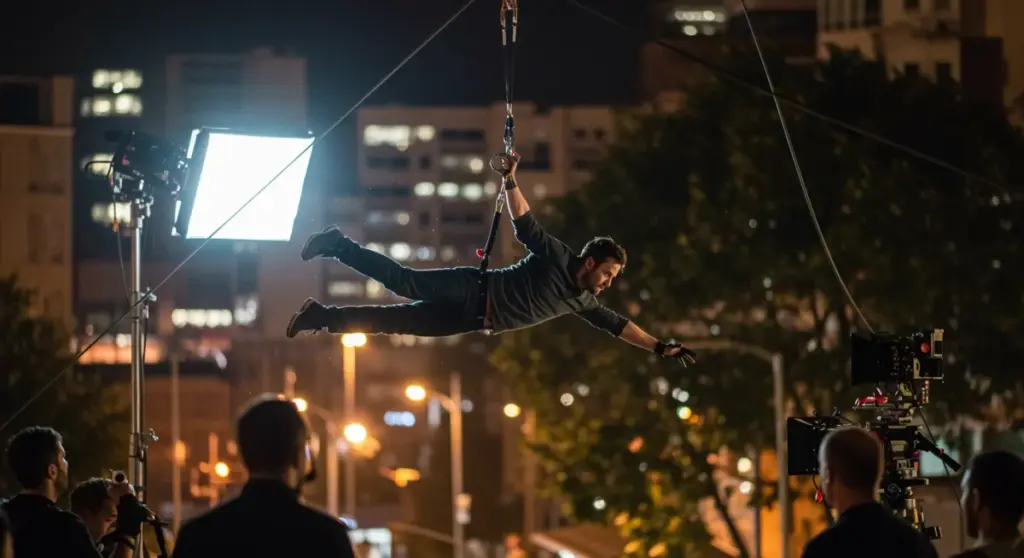
Stunt doubles are essential for bringing impactful action to the screen, executing dangerous feats with precision and extensive training, ensuring both realism and the utmost safety for all involved in film production.
Have you ever watched an intense action sequence in your favorite drama and wondered how the actors managed to pull off such incredible feats? The truth is, behind every jaw-dropping jump, every explosive crash, and every bone-jarring fight, there’s a team of highly skilled professionals. This year’s most thrilling dramas owe much of their visceral impact to the unsung heroes of the silver screen: stunt doubles. Through meticulous planning and rigorous training, stunt doubles revealed how action scenes are safely filmed, pushing the boundaries of cinematic excitement while prioritizing safety above all else.
The art and science of stunt coordination
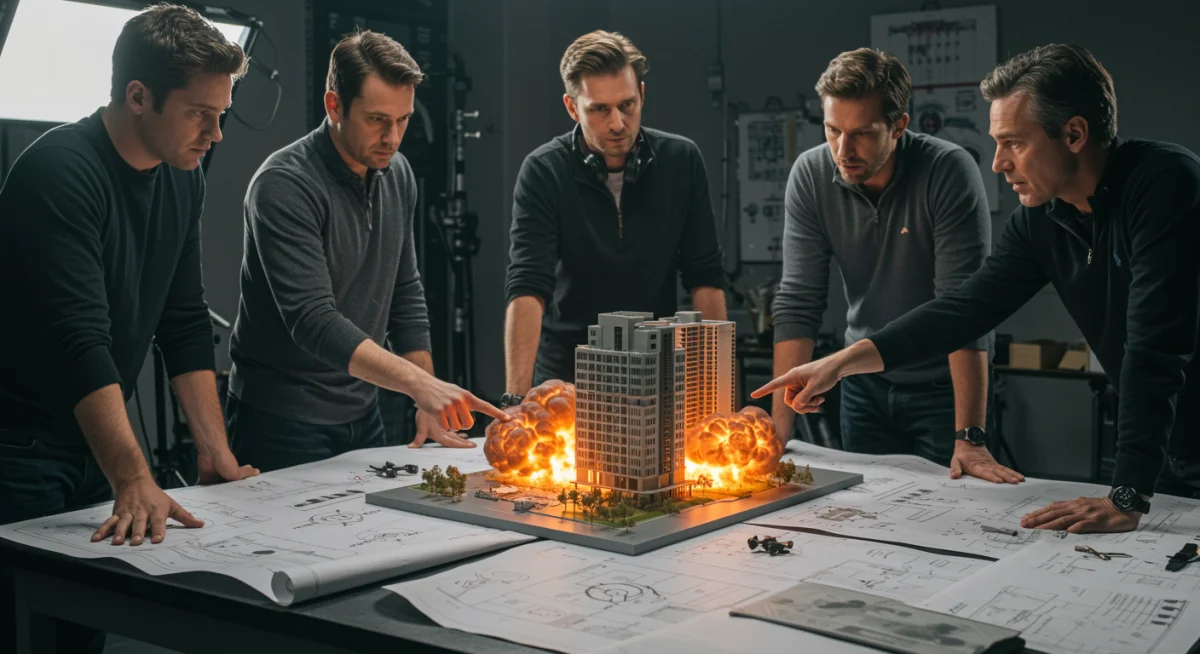
Stunt coordination is far more than just executing dangerous acts; it’s a complex blend of creativity, engineering, and extreme precision. Every action sequence, from a simple fall to a multi-car pile-up, begins with a detailed blueprint crafted by experienced stunt coordinators. They analyze scripts, break down scenes into individual components, and devise methods to achieve the director’s vision while minimizing risk. This intricate process ensures that what appears chaotic on screen is, in reality, a meticulously choreographed and controlled event.
The initial stages involve extensive discussions with the director, cinematographer, and special effects teams. Every angle, every explosion, and every movement is considered in minute detail. The goal is not just to make it look good, but to make it safe. This often means iterating on plans multiple times, adjusting for environmental factors, equipment limitations, and the specific skills of the stunt performers involved.
Designing the danger: from concept to execution
The journey from a written script to a spectacular action scene is fraught with challenges, primarily stemming from the inherent risks involved. Stunt coordinators act as the bridge between artistic vision and practical safety. They translate abstract descriptions into tangible, actionable sequences, often using storyboards and pre-visualization techniques to map out every moment.
- Script analysis: Identifying all action sequences and potential hazards.
- Risk assessment: Evaluating the danger level of each stunt and developing mitigation strategies.
- Pre-visualization: Using animation or basic video to plan camera angles and movements.
- Equipment selection: Choosing appropriate safety gear, rigging, and specialized equipment.
Once the concept is approved, the physical preparation begins. This includes building custom rigs, setting up safety nets, and testing sequences with stand-ins before the actual stunt doubles step onto the set. The scientific approach to stunt work ensures that variables are controlled and predictable, even in high-pressure environments.
Ultimately, the success of a stunt lies in its seamless execution, making the impossible seem real without compromising the well-being of anyone involved. The coordination process is a testament to the dedication and expertise required to create believable and thrilling action sequences.
Training and dedication: the life of a stunt double
Becoming a stunt double is not a career for the faint of heart; it demands years of rigorous training, unwavering dedication, and a deep understanding of physical capabilities and limitations. These individuals are elite athletes, martial artists, gymnasts, and drivers, often specializing in multiple disciplines. Their bodies are their tools, and they meticulously maintain them to withstand the intense physical demands of their profession.
The training regimen for a stunt double is comprehensive and continuous. It involves not only mastering specific skills like combat choreography, high falls, and vehicular stunts but also maintaining peak physical condition. Strength training, flexibility exercises, and cardiovascular endurance are paramount, ensuring they can perform complex sequences repeatedly without injury.
Diverse skill sets and constant refinement
A stunt double’s repertoire extends far beyond simple falls. They are often proficient in a wide array of specialized skills, making them versatile assets on any film set. This diversity allows them to seamlessly step in for actors across various action genres, from historical dramas requiring sword fighting to modern thrillers featuring complex car chases.
- Martial arts: Expertise in various fighting styles for realistic combat scenes.
- Gymnastics/Acrobatics: For flips, tumbles, and intricate aerial maneuvers.
- Driving/Riding: Precision driving, motorcycle stunts, and horse riding.
- High falls/Fire stunts: Specialized training for controlled descents and working with pyrotechnics.
Beyond physical prowess, stunt doubles must also possess exceptional acting skills. They need to mimic the mannerisms and movements of the actors they are doubling, ensuring continuity and believability. This requires keen observation and the ability to adapt quickly to different performance styles. Continuous training and skill refinement are non-negotiable, as new techniques and safety protocols emerge regularly. The dedication to their craft is what allows them to consistently deliver high-quality, safe performances.
The cutting edge of safety technology and techniques
The film industry has made colossal strides in ensuring the safety of stunt performers, largely thanks to advancements in technology and the development of sophisticated techniques. What once relied on rudimentary padding and sheer bravery now benefits from state-of-the-art equipment and scientifically backed methodologies. These innovations have not only made stunts safer but have also opened doors to more ambitious and visually spectacular sequences.
One of the most significant advancements has been in rigging and harness technology. Modern wirework systems allow stunt doubles to perform gravity-defying moves with precision and control, while sophisticated braking systems ensure soft landings. Airbags and crash mats are custom-designed for specific stunts, absorbing impact and protecting performers from serious injury. The integration of computer-aided design (CAD) allows for precise calculations of forces and trajectories, further enhancing safety.
Innovations in protective gear and digital enhancements
Protective gear has evolved beyond simple pads, becoming highly specialized and often custom-fitted. From lightweight, impact-absorbing materials for body armor to advanced helmets that can be seamlessly hidden under wigs or hats, every piece of equipment is designed to offer maximum protection without hindering performance or visual authenticity.
- Advanced harnesses: Lighter, stronger, and more discreet for complex wirework.
- Custom-fitted padding: Designed to protect specific body parts during impacts.
- High-speed cameras: Used to analyze stunt execution frame by frame for safety and refinement.
- Digital stunt doubles: CGI models used for extremely dangerous or impossible sequences, reducing real-world risk.
Furthermore, digital effects play a crucial role in enhancing safety. CGI can remove wires, add explosions, or even create entirely digital stunt doubles for sequences that are too perilous for even the most experienced human performer. This blend of practical stunts and digital wizardry allows filmmakers to achieve breathtaking visuals while maintaining an unparalleled level of safety for their crew. The continuous pursuit of safer methods ensures that the thrills on screen never come at an unacceptable human cost.
Collaboration and communication on set
Effective collaboration and clear communication are the bedrock of safe and successful action scene filming. A stunt is never a solo endeavor; it involves intricate coordination between the stunt team, director, camera crew, special effects artists, and even the actors themselves. Miscommunication or a lack of understanding can have dire consequences, making clear and concise dialogue absolutely essential.
Before any dangerous sequence is filmed, extensive rehearsals are conducted. These rehearsals aren’t just for practice; they are opportunities for every department to understand their role, identify potential issues, and synchronize their efforts. The stunt coordinator acts as a central hub, relaying information, addressing concerns, and ensuring everyone is on the same page regarding timing, positioning, and safety protocols.
The chain of command and safety briefings
A strict chain of command is established for all action sequences, with the stunt coordinator typically having the final say on whether a stunt is safe to perform. This authority is crucial, as it provides an independent safety oversight that can override creative demands if risks are deemed too high. Regular safety briefings are held, often multiple times a day, to review plans, discuss changes, and remind everyone of their responsibilities.
- Pre-production meetings: Detailed discussions involving all key departments.
- On-set walk-throughs: Physical rehearsals and blocking of the stunt area.
- Clear communication channels: Use of radios, hand signals, and verbal cues.
- Emergency protocols: Defined procedures for medical response and incident management.
Actors also play a vital role in this collaborative process. While stunt doubles perform the most dangerous parts, actors often need to perform parts of the action sequences, requiring them to be trained in basic combat or movement. Understanding the stunt double’s role and trusting their expertise is paramount for a seamless transition between actual actor performance and stunt work. This cohesive environment fosters trust and ensures that every action scene is executed not only with flair but with maximum safety.
Iconic stunts and their unsung heroes
Throughout cinematic history, countless action sequences have left audiences spellbound, etched into memory for their daring and spectacle. Yet, the faces behind these incredible feats often remain anonymous, overshadowed by the stars they double. These iconic moments are a testament to the skill, courage, and often, the anonymity of the stunt double.
Consider the legendary car chase in ‘Bullitt,’ where Steve McQueen famously did some of his own driving, but much of the truly dangerous work fell to his stunt double, Bud Ekins. Or the intricate fight choreography in martial arts films, where doubles often perform the most complex moves, making stars like Jackie Chan or Bruce Lee appear even more superhuman. These examples highlight the subtle art of stunt doubling: making the audience believe the actor is doing it all, without ever realizing the expert behind the action.
Behind the scenes of modern blockbusters
In contemporary dramas and blockbusters, the demand for bigger, more realistic action has only intensified, pushing stunt teams to new heights of innovation. This year’s thrilling dramas feature sequences that would have been impossible just a decade ago, largely thanks to the specialized skills of stunt performers.
- High-rise falls: Often involving complex wire rigs and controlled descents.
- Vehicular mayhem: Precision driving, crashes, and explosions choreographed to perfection.
- Intense combat: Hand-to-hand fights that look brutal but are meticulously rehearsed.
- Fire stunts: Performers safely engulfed in flames, protected by specialized gels and suits.
The seamless integration of stunt work with digital effects further blurs the lines, allowing for truly fantastical sequences without compromising safety. The unsung heroes of these productions dedicate their lives to perfecting their craft, ensuring that every punch, every jump, and every explosion delivers maximum impact while keeping the primary actors, and themselves, out of harm’s way. Their contributions are fundamental to the immersive experience of modern action cinema.
The psychological toll and rewards of the profession
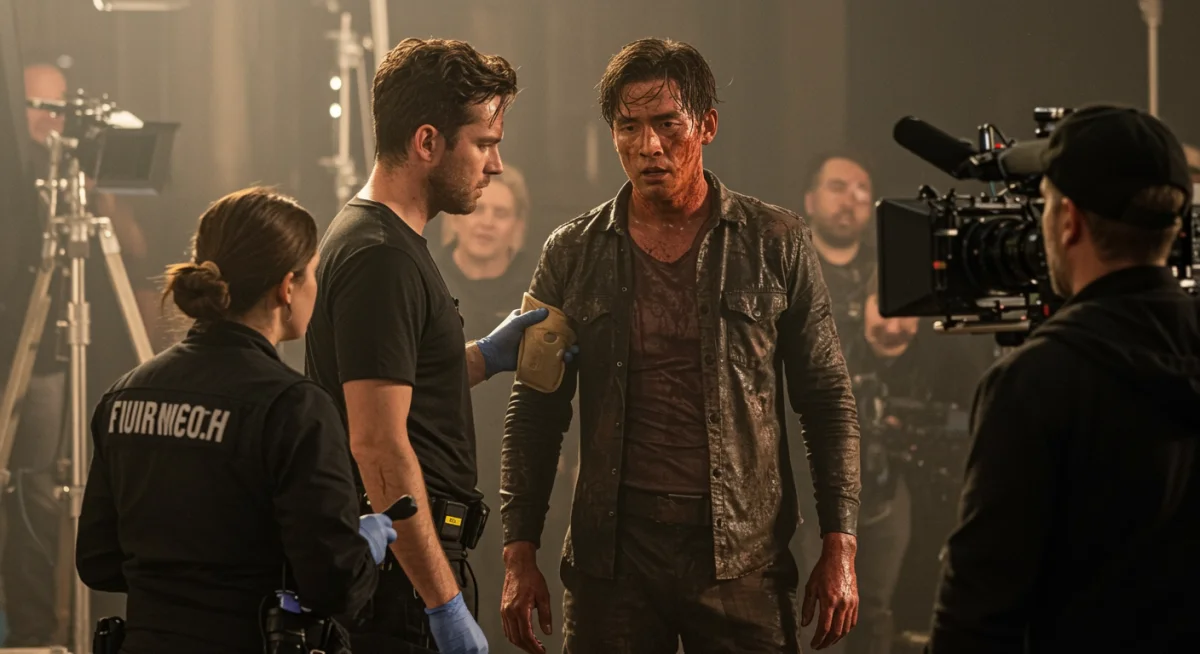
While the physical demands of being a stunt double are evident, the psychological aspects of the profession are often overlooked. Constantly facing situations that trigger primal fear responses, managing stress, and maintaining absolute focus under pressure are as crucial as physical prowess. Stunt doubles must possess an extraordinary level of mental fortitude to repeatedly perform dangerous acts.
The pressure to perform flawlessly, to mimic an actor’s movements, and to ensure the safety of everyone on set can be immense. They often work long hours in challenging environments, enduring discomfort and pain. Yet, despite these challenges, many stunt doubles express deep satisfaction with their work, finding immense reward in the unique contribution they make to storytelling.
Coping mechanisms and professional satisfaction
Stunt performers develop various coping mechanisms to manage the psychological toll of their work. These often include rigorous mental preparation, visualization techniques, and a strong sense of camaraderie with their fellow stunt professionals. Trust within the stunt team is paramount, knowing that each member is committed to safety and precision.
- Mental preparation: Visualizing successful execution of the stunt.
- Trust in the team: Relying on coordinators and fellow doubles for safety.
- Adrenaline management: Learning to channel fear into focused energy.
- Sense of accomplishment: The pride in delivering a flawless, impactful scene.
The rewards of being a stunt double extend beyond financial compensation. It’s the thrill of pushing boundaries, the satisfaction of creating movie magic, and the deep respect from peers and directors. For many, it’s a calling—a chance to live a life of adventure and contribute to the art of filmmaking in a truly unique way. The personal fulfillment derived from mastering dangerous skills and executing them perfectly on screen often outweighs the inherent risks and psychological stresses of the job.
The future of action: technology, safety, and realism
The landscape of action cinema is continuously evolving, driven by technological advancements and an ever-increasing demand for realism and spectacle. The future promises even more innovative ways to achieve breathtaking stunts, further enhancing safety measures while pushing the boundaries of what’s possible on screen. This evolution is a collaborative effort between stunt professionals, engineers, and digital artists, all striving for the next level of cinematic immersion.
Virtual reality (VR) and augmented reality (AR) are beginning to play a role in stunt pre-visualization, allowing teams to simulate complex sequences in a digital environment before ever stepping onto a physical set. This not only refines choreography but also helps identify potential hazards that might not be obvious from storyboards alone. Robotics and advanced animatronics are also being explored for certain types of stunts, offering alternatives to human performance in extremely high-risk scenarios.
Ethical considerations and evolving standards
As technology advances, so do the ethical considerations surrounding stunt work. Discussions about the balance between practical stunts and digital replacements are ongoing, with many advocating for the continued use of human stunt performers to maintain authenticity and provide employment for this specialized craft. The industry is also seeing a greater emphasis on performer well-being, including mental health support and long-term care for injuries.
- VR/AR pre-visualization: Simulating stunts for enhanced planning and safety.
- Robotics in stunts: Exploring autonomous systems for highly dangerous tasks.
- Sustainable practices: Developing eco-friendly stunt materials and techniques.
- Increased diversity: Encouraging more diverse stunt performers and coordinators.
The future of action cinema hinges on a commitment to innovation, safety, and the recognition of the invaluable contribution of stunt professionals. As audiences crave ever more realistic and thrilling experiences, the dedication of these unsung heroes, combined with cutting-edge technology, will continue to define the spectacle of action scenes in the years to come. The goal remains to create unforgettable cinematic moments, ensuring that the magic of the movies is delivered safely and responsibly.
| Key Aspect | Brief Description |
|---|---|
| Stunt Coordination | Meticulous planning and execution of action sequences, prioritizing safety and cinematic impact. |
| Stunt Double Training | Years of rigorous physical and mental preparation across diverse skill sets for versatile performance. |
| Safety Technology | Advanced rigging, protective gear, and digital effects for minimizing risks in high-octane scenes. |
| On-Set Collaboration | Crucial communication and teamwork among all departments to ensure seamless and safe stunt execution. |
Frequently asked questions about stunt doubles
A stunt double’s primary role is to perform dangerous or physically demanding scenes that actors cannot safely execute themselves. They ensure the director’s vision for action sequences is realized while prioritizing safety above all else, often mimicking the lead actor’s movements.
Stunt coordinators ensure safety through meticulous planning, risk assessment, use of advanced safety equipment like harnesses and airbags, extensive rehearsals, and clear communication with all crew members. They oversee every detail to minimize potential hazards.
Stunt doubles undergo rigorous training in various disciplines, including martial arts, gymnastics, acrobatics, precision driving, and specialized skills like high falls or fire stunts. They also maintain peak physical condition and continuously refine their techniques.
While digital stunt doubles (CGI) are used for extremely dangerous or impossible sequences, they complement, rather than fully replace, human performers. The industry values the authenticity and skill that human stunt doubles bring to practical effects, blending both approaches for optimal results.
Communication is critically important. Clear and constant dialogue between stunt teams, directors, camera crews, and special effects departments ensures seamless coordination, precise timing, and the highest safety standards for every action sequence filmed.
Conclusion
The captivating world of action cinema, particularly in this year’s most thrilling dramas, owes an immeasurable debt to the highly skilled and often invisible work of stunt doubles and their dedicated coordination teams. Their commitment to safety, combined with years of rigorous training and the continuous adoption of cutting-edge technology, allows filmmakers to push creative boundaries and deliver breathtaking spectacles without compromising human well-being. As we continue to be enthralled by gravity-defying leaps and explosive confrontations, it’s important to remember the unsung heroes who meticulously plan and execute these moments, ensuring that the magic on screen is both exhilarating and, crucially, safe. Their artistry and precision are truly what make the impossible possible, enriching our viewing experience with unparalleled realism and excitement.
Related Posts: